

Bacteremia and sepsis share many things in common, but understanding the differences between bacteremia vs. sepsis can make a major difference in your malpractice case. At Lipton Law, we know how serious bacterial infections in the blood can be. That’s why our Southfield sepsis lawyers are here to help you understand these conditions and how you could contract them due to negligence.
If you or a loved one has contracted sepsis in a healthcare setting, you may have grounds for a malpractice case. Contact the Michigan medical malpractice lawyers at Lipton Law today to discuss your case and determine your eligibility to file a suit.
Call our law firm at (248) 557-1688 to schedule your free consultation with us today.
Types of Bacterial Infections in Blood
Bacterial infections affecting the blood vary in severity. Bacteremia refers to the presence of viable bacteria in the bloodstream, which may occur after dental procedures, the use of medical devices, or other medical procedures.
If left untreated, these infections can lead to blood poisoning, a serious condition that happens when bacteria causing an infection in another part of the body enter the bloodstream. As Healthline.com explains, “Blood poisoning happens when bacteria that are causing an infection in another part of your body enter your bloodstream; Despite its name, the infection has nothing to do with poison. Although not a medical term, ‘blood poisoning’ is used to describe bacteremia, septicemia, or sepsis.”
When bacterial infections spread unchecked, they may escalate into sepsis, septic shock, or multiple organ dysfunction syndrome. Common sources include infections originating from the lungs, urinary tract, abdomen, or skin. Identifying and treating these infections early is critical to prevent life-threatening consequences.
What Is Sepsis?
Sepsis is a serious condition where the immune system overreacts to an infection, triggering widespread inflammation throughout the body. This uncontrolled immune response can lead to organ failure, tissue damage, and even death if not treated promptly.
Sepsis often starts as a localized infection but becomes more dangerous as it spreads into the bloodstream and affects multiple organs. Sepsis occurs when the body’s response to the infection causes injury to its own tissues and organs.
A key part of this process is something called Systemic Inflammatory Response Syndrome (SIRS). SIRS happens when the entire body launches a massive inflammatory reaction to an infection, trauma, or surgery. When an existing infection triggers SIRS, it can quickly progress to sepsis if left untreated. Early identification of SIRS is critical in stopping the chain reaction that can lead to severe sepsis, septic shock, and multiple organ dysfunction syndrome.
Sepsis Symptoms
Recognizing early signs of sepsis can be life-saving. Common symptoms include:
- Fever, chills, or low body temperature
- Rapid breathing and difficulty breathing
- Rapid heartbeat
- Low blood pressure
- Confusion or disorientation
- Extreme pain or discomfort
- Pale or mottled skin
Patients showing symptoms of Systemic Inflammatory Response Syndrome should be carefully monitored, as SIRS often precedes full-blown sepsis.
Don’t Overlook the Signs and Dangers of Sepsis. When severe symptoms are present, immediate medical attention is necessary to prevent worsening outcomes.
Septicemia vs Sepsis
While often used interchangeably, septicemia and sepsis are distinct. Septicemia refers specifically to the active, multiplying bacteria in the bloodstream, causing widespread infection. Sepsis, on the other hand, is the body’s extreme reaction to that infection.
Think of septicemia as the bacteria themselves taking over the blood, while sepsis is the body’s dangerous overreaction to their presence.
What Is Septic Shock?
Septic shock is a severe and potentially fatal condition that arises when sepsis leads to dangerously low blood pressure and abnormalities in cellular metabolism. When septic shock occurs, the body is unable to maintain adequate blood flow to vital organs, often leading to organ failure and death if aggressive treatment is not initiated quickly.
Septic Shock Symptoms
Symptoms of septic shock include:
- Extremely low blood pressure unresponsive to fluids
- Rapid heartbeat
- Difficulty breathing requiring breathing tubes
- Cold, clammy skin
- Confusion or unconsciousness
Patients in septic shock often require care in an intensive care med unit.
What Is Bacteremia?
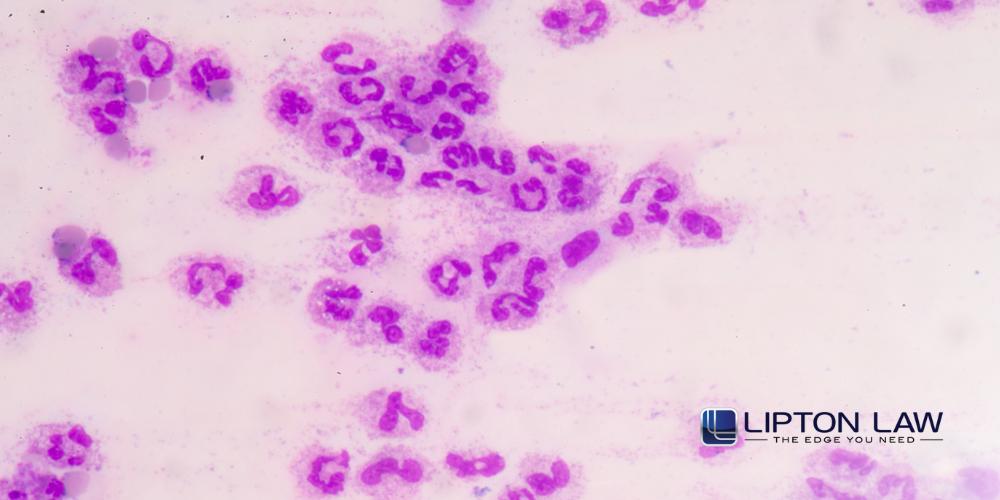
Bacteremia refers to the presence of bacteria in the bloodstream. It may occur transiently during everyday activities like brushing teeth or after dental procedures. Still, it can also happen due to more serious events such as surgery, catheter use, or wound infections.
Bacteremia can either resolve naturally with the help of a healthy immune system, or it can develop into something much more dangerous, like sepsis.
Bacteremia Symptoms
In many cases, bacteremia can be asymptomatic. However, when symptoms do appear, they might include:
- Fever and chills
- Rapid breathing
- General feeling of illness or weakness
- Low energy and fatigue
In severe cases, it can cause severe symptoms and progress into sepsis if untreated.
Is Bacteremia the Same as Sepsis?
Although bacteremia and sepsis involve the bloodstream, they are not the same. Bacteremia simply means bacteria are present in the blood. Sepsis means the body’s immune response has gone into overdrive because of an infection, causing serious damage.
Only a small number of bacteremia cases progress to sepsis, but when they do, the situation becomes far more dangerous.
Bacteremia vs Sepsis
The main difference between bacteremia vs sepsis lies in the body’s response. In bacteremia, bacteria may exist in the blood without causing major symptoms. In sepsis, the body’s aggressive defense mechanism against the bacteria ends up harming itself, leading to organ failure, tissue damage, and even death.
Prompt diagnosis and treatment can prevent a manageable bloodstream infection from escalating into septicemia or septic shock.
Septicemia vs Sepsis
While septicemia involves the multiplication of bacteria in the bloodstream, sepsis involves the body’s overwhelming inflammatory response to an infection. Both conditions require immediate medical attention, and both can result in life-threatening complications if untreated.
Bacteremia vs Septicemia
Bacteremia is the presence of bacteria in the bloodstream without necessarily causing symptoms. Septicemia is more dangerous, with bacteria actively multiplying, overwhelming the bloodstream, and spreading infection throughout the body.
Think of bacteremia as the presence of an intruder, while septicemia is the intruder causing widespread destruction.

How Do Bacterial Blood Infections Happen?
Bloodstream infections can develop through various means, often in a hospital setting or a nursing home. Medical procedures like surgery, catheter insertion, or wound care may introduce bacteria if sterile techniques are not properly followed. Use of contaminated medical devices, such as IV lines or breathing tubes, increases the risk of infection. Individuals with kidney disease, weakened immune systems, or other risk factors are especially vulnerable.
The most common cause of bloodstream infections involves bacteria entering the blood through wounds, surgical sites, or invasive devices. Even healthy people can develop bacteremia temporarily after dental procedures or minor infections, although their immune system often clears the bacteria without complications.
Common culprits include bacteria such as Staphylococcus aureus and Escherichia coli, both frequently involved in serious infections.
When a bloodstream infection is suspected, healthcare providers typically start broad-spectrum antibiotics immediately to fight a wide range of bacteria before laboratory results, such as a blood test, confirm the cause. Timely treatment helps prevent the spread of infection, reduce tissue damage, lower the risk of severe sepsis and septic shock, and avoid multiple organ dysfunction syndrome. In severe cases, patients may need intravenous fluids to stabilize blood pressure, oxygen therapy, breathing tubes, surgery to remove infection sources, and intensive care med support if septic shock occurs.
If a hospital’s failure to follow basic infection control measures contributed to a patient’s harm, a hospital negligence attorney in Southfield can help evaluate the situation and determine whether legal action is warranted.
In long-term care settings, lapses in hygiene, wound care, or device management can expose vulnerable residents to bloodstream infections. In these situations, a Southfield nursing home abuse lawyer can assist families in pursuing justice when poor care leads to preventable illness or even death.
Can You Sue for a Bloodstream Infection?
Patients who contract bloodstream infections due to hospital negligence or nursing home abuse may have the right to pursue a medical malpractice lawsuit. Cases may involve:
- Failure to diagnose or promptly treat sepsis and septic shock
- Using unsterilized medical devices
- Neglecting to monitor for signs of infection
- Improperly performing medical procedures or failing to recognize existing infections
Poor infection control practices can cause bacteremia and allow other infections to spread, putting vulnerable patients at risk of developing serious conditions like sepsis, organ damage, or even death. Facilities have a duty to use appropriate sterilization techniques and monitoring protocols to prevent bacteremia and related complications.
If negligence led to severe harm, legal action can help victims and their families recover damages.
At Lipton Law, our Michigan medical malpractice wrongful death lawyers work to hold negligent healthcare providers and institutions accountable for preventable infections and injuries.

Contact Lipton Law to File a Sepsis Lawsuit in Michigan
At Lipton Law, we recognize the importance of timely and accurate diagnosis to prevent severe health complications and ensure proper treatment. Failure to diagnose bacteremia or recognize the signs of a bloodstream infection can lead to devastating outcomes, including irreversible organ damage and death. If you or a loved one has suffered due to medical negligence in diagnosing or treating bacteremia or sepsis, our experienced attorneys are here to help.
While you could choose from many medical malpractice law firms, our law firm is unique. We have a team of nurses who work with us on each of our medical malpractice cases, providing crucial medical insight from the very start. Their experience allows us to evaluate claims more thoroughly, identify medical errors quickly, and build stronger, more informed cases for our clients.
Call us at (248) 557-1688 or contact us online today to discuss your case and learn how we can help you seek the justice and compensation you deserve.