
Michigan Forceps and Vacuum Delivery Malpractice Attorneys
Home » Southfield, Michigan Medical Malpractice Lawyer » Michigan Birth Injury Lawyer » Forceps and Vacuum Malpractice
Southfield, MI Birth Injury Attorneys for Negligent Forceps and Vacuum Delivery in Childbirth

Although assisted delivery tools can play a crucial role in vaginal delivery, misuse of these tools can cause serious injuries to the mother and baby. Lipton Law‘s experienced attorneys provide legal representation for Michigan forceps and vacuum delivery malpractice claims. We hold individuals and entire facilities accountable for medical negligence that leads to preventable birth injuries. To find out if maternal injuries or your child’s injuries qualify as grounds for a medical malpractice lawsuit, contact our Southfield, MI birth injury lawyers today. Schedule your free legal consultation by calling (248) 557-1688 or through our online contact form.
Understanding Vacuum and Forceps During Birth
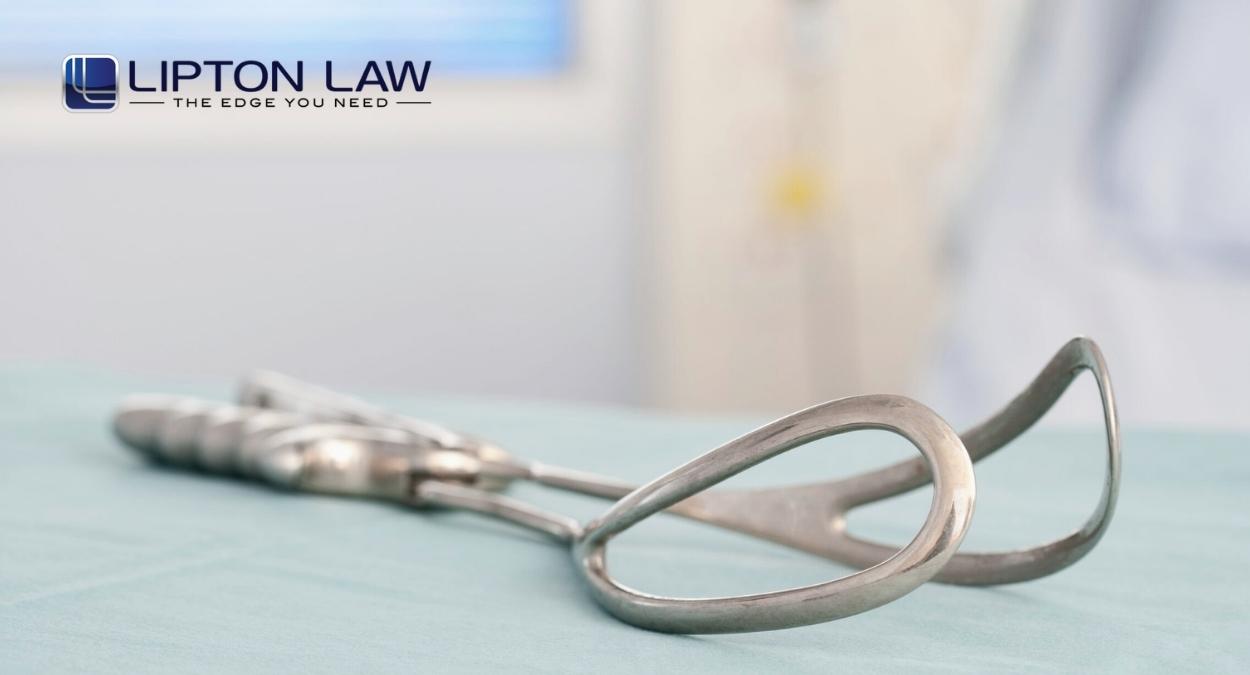
Doctors sometimes use vacuum extractors or forceps to assist with the birthing process, especially during difficult vaginal deliveries. Forceps are a metal, tong-like medical instrument, while vacuum extractors use suction to assist birth. Both tools require special training to use safely. Under accepted standards, medical professionals can use forceps and vacuum extractors only in specific circumstances and with the patient’s informed consent. Improperly using these tools can be considered medical malpractice when it results in preventable personal injury. If you suspect your partner’s or child’s birth injuries resulted from negligent use of forceps or vacuum extraction, contact our Michigan birth injury lawyers.
What are Forceps Used for in Birth?
Obstetrical forceps can be used to aid natural labor progression or reposition babies to make labor and delivery easier. Situations involving prolonged or stalled delivery can make forceps-assisted delivery necessary.
When Are Forceps Used in Delivery?
Your doctor may suggest using forceps when pushing makes birthing more stressful or dangerous, or if your baby exhibits signs of fetal distress. Forceps can only be used if the baby is at least halfway through the birth canal and if the medical team can determine the baby’s position. Although forceps generally require more skill to use, this tool is useful in situations where vacuum extraction isn’t suitable. For example, forceps can aid in a breech delivery, while vacuum extractors cannot.
It is generally considered unsafe to use forceps if the mother isn’t fully dilated. Additionally, forceps should not be used if the baby is more than 6 weeks premature, too large for vaginal birth, positioned arms-first in the birth canal, or has a bleeding or bone disorder. Quick decision-making and action are crucial because prolonged birth can increase the risk of injury.
How Are Forceps Used in Delivery?
Proper forceps placement involves carefully positioning the forceps blades on either side of the baby’s head or feet. A medical professional will do this by adjusting the forceps position during rest periods between contractions. Once in place, they will gently guide the baby through your canal or, if repositioning is necessary, rotate the baby in the canal. They should not forcefully pull your baby through the canal, but rather rely mostly on the mother’s pushing.
Forceps Risks
Forceps injuries become more likely when doctors use the tool improperly or too late. Delays can leave infants poorly positioned and prolong labor, which is especially dangerous if the baby is not receiving enough oxygen. If doctors apply excessive force, they can easily cause trauma.
Potential Forceps Complications
When doctors use forceps improperly, mothers may suffer forceps injuries such as tears in vaginal tissue, muscle, or the wall of the rectum. Forceps use can also make pelvic organ prolapse more likely. Babies may experience surface wounds, such as bruising or cuts. Alternatively, forceps may cause more severe types of damage, such as eye injuries, facial nerve injuries, or paralysis. Head trauma, including skull fractures and internal bleeding, is another potential complication. When improper forceps use results in shoulder dystocia, families can pursue shoulder dystocia birth injury claims in MI.
Forcep Birth Side Effects
Side effects from forceps injuries can vary greatly depending on the severity of the damage. Birth injury victims may experience temporary swelling, bruising, or short-term nerve damage. Parents may notice that their baby has muscle control issues or experience difficulties while feeding their baby. In severe cases, injuries can lead to long-term neurological effects and developmental delays. Our attorneys help families pursue legal action for Michigan brain injury claims, nerve damage claims, and other claims related to birth injuries.
What are Vacuums Used for During Birth?
Obstetricians can use vacuum extraction to assist with delivery when births stall during the pushing stage. These devices help guide the baby through the birth canal.
When is Vacuum Extraction Necessary?
If labor fails to progress, vacuum extraction may become necessary. The mother may be too tired to keep pushing or otherwise have health complications that make pushing risky. If doctors notice signs of fetal distress, they may consider using a vacuum extraction to speed up delivery and prevent harmful complications.
How Medical Professionals Use Vacuum Extraction Tools for Delivery
Vacuum extractors gently pull the baby through a suction cup attached to the baby’s head. The doctor will apply controlled traction in time with your contractions, guiding your baby through the birth canal. Doctors should cease use of the vacuum extractor once the baby’s head is out, if extraction is unsuccessful, if the cup accidentally detaches three times, or if there’s any sign of trauma. Vacuum extraction should be avoided if the baby is premature, in breech position, has a bleeding disorder, is not low enough in the birth canal, or is too big to fit through the birth canal. If vacuum extraction does not result in progress, mothers may require a C-section.

Vacuum Extraction Risks
Vacuum extraction becomes riskier when the doctors use excessive suction force that could cause serious harm to the mother or baby. Prolonged extraction attempts can cause undue stress on both mother and child or even leave the baby vulnerable to oxygen deprivation. Doctors should avoid repeated reapplication of the suction cup after it has unintentionally detached three times. This indicates that extraction is not working and that the doctor needs to consider alternatives.
Vacuum Birth Complications
Potential maternal injuries and complications that can result from vacuum extraction include vaginal tears, increased risk of postpartum bleeding, incontinence, and difficulty peeing. Vacuum extraction may cause infant scalp injuries. Cephalohematoma, a condition in which blood pools between the baby’s scalp and skull, is a common complication of vacuum birth. Other injuries, such as skull fractures, may cause dangerous brain bleeding below the skull. Oxygen deprivation caused by improper vacuum extractor use can result in permanent brain damage. If a baby is too large for vaginal birth, vacuum extraction can increase the risk of shoulder dystocia.
Vacuum Birth Side Effects
In some cases, injuries caused by vacuum extraction can heal quickly. For example, cephalohematoma often heals on its own. In rare cases, however, it can lead to jaundice, anemia, or infections. In such cases, parents may have grounds to seek newborn cephalohematoma claims in Michigan. If the baby lacks oxygen during birth or suffers a serious intracranial hemorrhage, the resulting brain damage can lead to neurological and developmental concerns. Parents should be mindful of signs of jaundice, hearing issues, bleeding or bruising on the baby’s scalp, scalp swelling, or signs of a skull fracture.

Vacuum-Forceps Delivery and Combined Tool Use
All risks associated with forceps and vacuum delivery increase when doctors use both tools or make multiple assisted delivery attempts. Use of multiple tools increases the chance of trauma. Multiple failed attempts prolong labor and delivery, which can cause unnecessary strain on both mother and baby. Prolonged labor becomes especially dangerous when the baby is showing signs of fetal distress. As soon as the initial assisted delivery method fails, doctors should quickly switch to an emergency C-section.
Common Injuries Linked to Forceps and Vacuum Delivery
Use of forceps, vacuum extraction, or a combination of the two can lead to several serious injuries. No matter the injury, our lawyers are prepared to help. Brachial plexus injuries occur when strain is placed on the nerve bundle in the baby’s neck and shoulder. Lipton Law’s Southfield, MI, brachial plexus injury attorneys pursue legal action when injuries lead to complications such as Erb’s palsy or Horner’s syndrome. We also assist families whose newborn children have suffered other forms of nerve damage, facial paralysis, skull fractures, or brain injuries. Our legal team supports mothers who have experienced maternal tears and dangerous hemorrhaging, seeking compensation for both past and future medical expenses.
When Forceps or Vacuum Delivery May Result in a Birth Injury Lawsuit
Medical professionals and facilities are liable for injuries that result from a breach in their duty of care. Any deviation from accepted medical care standards can constitute a breach in care when it results in injuries. Doctors may fail to meet the medical criteria for assisted delivery tool use when they lack training to use tools, use tools with improper technique, or use excessive force. Since swift action is necessary to prevent harm to mothers and babies, delaying the decision to perform a C-section can qualify as medical negligence. Courts may also hold medical teams responsible when inadequate fetal monitoring results in preventable harm.
Proving Malpractice in Forceps and Vacuum Delivery Cases
Success in birth injury cases depends on strong evidence. Gather medical records and delivery notes that detail how the delivery was handled and show the extent of resulting birth injuries. Expert medical testimony can help establish accepted standards of care and how medical professionals deviated from that standard. Proving medical malpractice requires an understanding of both medical and legal matters, so it is important to seek help from a Michigan medical malpractice attorney.

How a Michigan Birth Injury Attorney Can Help
Most birth injury lawsuits settle outside of court, with average birth injury settlements ranging in the millions of dollars. However, medical professionals and facilities are backed by experienced legal teams and insurers who will try to minimize payments through whatever means possible. Securing legal representation increases your chances of recovering damages that actually reflect your losses.
Lipton Law is dedicated to helping local families. We investigate delivery decisions to determine if they adhere to accepted standards of care. Our experience in medical malpractice litigation allows us to identify preventable errors. We pursue maximum compensation for your partner’s or child’s care needs, including initial and ongoing medical care, physical therapy, and other treatments.
Why Families Trust Lipton Law With Birth Injury Claims?
Backed by over 30 years of experience in medical malpractice litigation, Lipton Law focuses on providing help for complex medical malpractice claims. We carefully prepare each case by investigating your situation, consulting with medical experts, and gathering evidence to support your claims. Our Southfield personal injury lawyers have a strong commitment to protecting injured children and securing the compensation your family deserves.
Speak With Our Southfield, Michigan Forceps and Vacuum Delivery Malpractice Attorneys Today
If you feel at a loss after your partner or child has suffered birth-related injuries, allow Lipton Law to help. Our experienced birth injury attorneys can give the guidance you need. We offer a confidential, no-obligation consultation during which we’ll explain your legal options and give personalized advice. Call our law firm today at (248) 557-1688 or contact us online to learn how we can help with your birth injury case.
Types of Medical Malpractice
Practice Areas

Vaginal Tears
This is a very common occurrence during the birth process. Approximately 90% of women experience some degree of vaginal tearing during birth. The perineum, or the skin between the anus and vagina, and vaginal canal must stretch a great deal to allow the baby’s head to pass through easily.
This can lead to mild or serious tearing. It can be considered medical negligence when a doctor fails to identify and treat these tears immediately following birth. Without proper treatment, mothers can suffer lasting complications from vaginal tears.
Uterine Rupture
This is a far more uncommon and serious complication, as it can be life-threatening to both the baby and the mother. Uterine rupture is a tear that opens in the wall of the uterus. If a doctor fails to identify and treat the rupture, this could lead to a number of complications or even wrongful death. Medical malpractice wrongful death attorneys in Michigan provide crucial support to families who have lost loved ones to uterine rupture.
Nerve Damage
Mothers can even suffer from a nerve injury during their child’s birth. Depending on which nerves are damaged, mothers can suffer from the following issues.
- Numbness or weakness in their legs
- Incontinence
- Feelings of pain in the back of the legs
Generally, nerve damage occurs from nerve compression or from tissue stretching during birth. Longer labor periods, diabetes, and other conditions may increase the risk of nerve damage.
Umbilical Cord and Organ Prolapse
During birth, the umbilical cord, the uterus, and other pelvic organs could prolapse or slip into the vagina. Umbilical cord prolapse is rare but potentially fatal. This complication can cause severe oxygen deprivation to the baby, leading to brain damage or even stillbirth. If a doctor’s failure to diagnose the problem leads to a birth injury to the mother or the baby, they might have the basis for a birth injury claim.