Michigan IV Infiltration Lawyer
Home » Southfield, Michigan Medical Malpractice Lawyer » IV Infiltration
Michigan Attorneys for IV Injuries and IV Burns
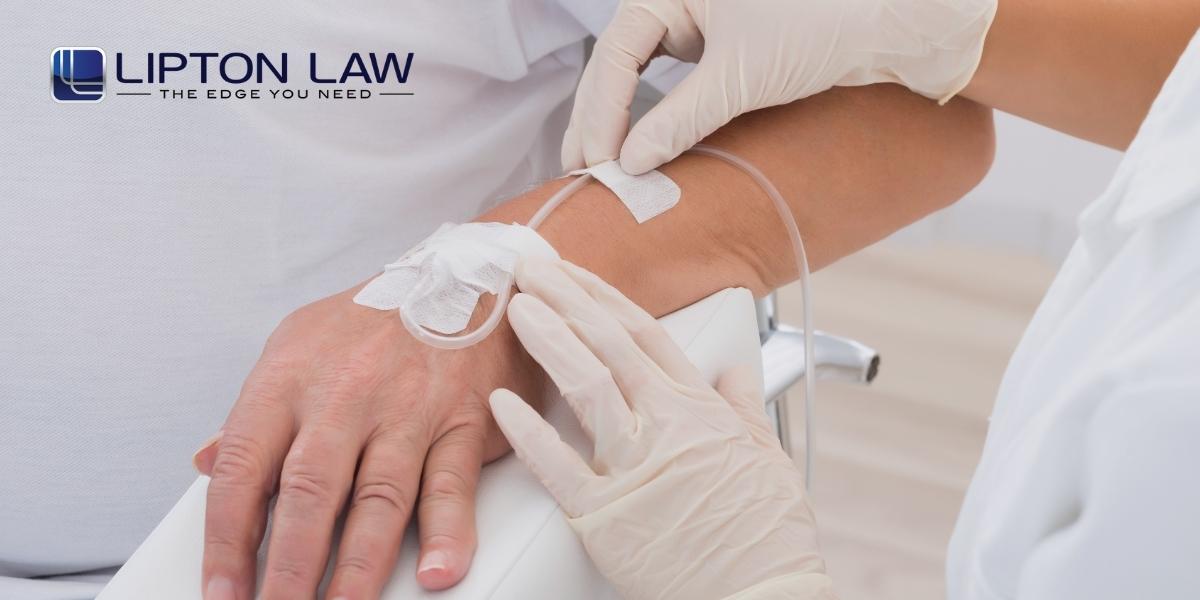
IV infiltration is a complication many patients never expect, but it can cause significant pain and long-term harm. While peripheral IV therapy is a common and essential part of medical care, it requires careful attention to patient safety to prevent serious injuries. Unfortunately, when healthcare providers fail to follow proper protocols, patients can suffer from painful swelling, tissue damage, or even life-threatening complications.
If you or a loved one has experienced harm due to IV infiltration, Lipton Law is here to help. Our experienced attorneys are committed to holding negligent providers accountable and ensuring you receive the compensation you deserve. To schedule a free and confidential consultation about your case, please call our office at 248-557-1688 or contact us online today.
What Is IV Infiltration?
IV infiltration occurs when the fluid or medication intended to be delivered into a vein through IV therapy accidentally leaks into the surrounding tissue instead. This can happen if the IV needle or catheter slips out of the vein or if the vein becomes damaged, allowing the fluid to escape. IV infiltration can lead to swelling, pain, and potential damage to the tissue, depending on the type and amount of fluid that infiltrates the area.
Extravasation vs Infiltration
Extravasation differs from IV infiltration in that it involves the leakage of harmful or vesicant substances from a vein into the surrounding tissue, which can cause significant damage, such as tissue necrosis or blistering. In contrast, peripheral IV infiltrations typically involve fluids like saline or medications. The key distinction lies in the type of fluid that escapes and the potential harm it can cause.
Phlebitis vs Infiltration
Phlebitis differs from IV infiltration as it refers to the inflammation of a vein, often caused by irritation or injury from an IV catheter, medication, or prolonged use of the IV site. Unlike IV infiltration, which involves the leakage of fluids into the surrounding tissue, phlebitis is primarily characterized by redness, warmth, and tenderness along the vein where the IV catheter is placed. While both conditions can occur during IV therapy, phlebitis is an inflammatory response rather than a result of fluid misplacement.
What Causes IV Infiltration?
IV infiltration occurs when fluid leaks from a vein into the surrounding tissue during IV therapy. This can happen due to improper placement of the IV catheter, vein damage, or IV failures caused by equipment malfunction.
In some cases, medical malpractice, such as inadequate monitoring of the IV site or improper training in catheter insertion, can contribute to infiltration. Understanding the causes is crucial to preventing this potentially harmful complication.
Some potential causes of IV infiltration include:
- Improper insertion of the IV catheter: Placing the catheter incorrectly can cause it to slip out of the vein or puncture through the vein wall.
- Failure to secure the IV site: Inadequate stabilization can lead to movement and displacement of the catheter.
- Vein damage: Fragile or damaged veins may not hold the catheter securely, resulting in fluid leaks.
- Equipment-related IV failures: Malfunctioning or poorly maintained IV equipment can increase the risk of infiltration.
- Lack of monitoring: Neglecting to check the IV site regularly can allow early signs of infiltration to go unnoticed.
What are the IV Infiltration Signs?
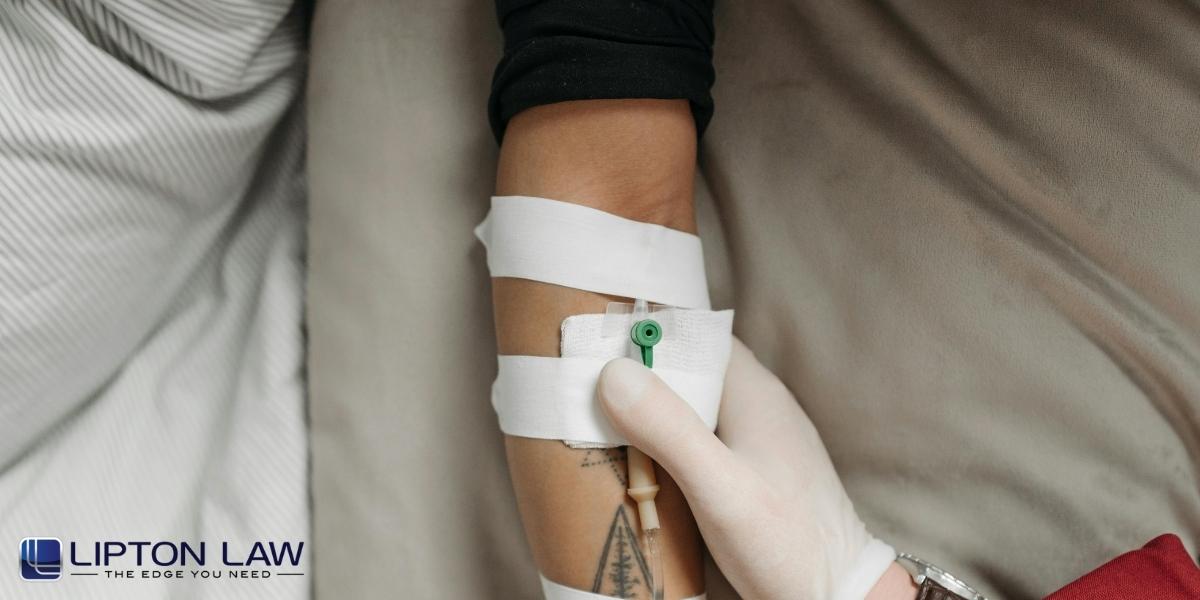
IV infiltration signs often develop around the IV site and can cause noticeable discomfort. Common indicators include IV site swelling, pain, and skin discoloration, which result from fluid escaping into the surrounding tissue. Prompt recognition of these signs is crucial to prevent further complications.
- IV site swelling, puffiness, or bulging around the area where the IV is inserted
- Pain or tenderness at or near the IV site
- Cool skin temperature around the IV site
- Skin discoloration, such as redness or blanching
- Decreased flow rate of the IV drip
- Visibly leaking fluids from the IV site
What Does IV Infiltration Look Like?
IV infiltration often appears as noticeable swelling and puffiness around the IV insertion site, accompanied by skin discoloration such as redness or blanching. In severe cases, fluid leakage can cause IV site blisters, where small, fluid-filled bumps form on the skin near the affected area. The site may also look wet or feel cool to the touch, indicating fluid has escaped into the surrounding tissue.
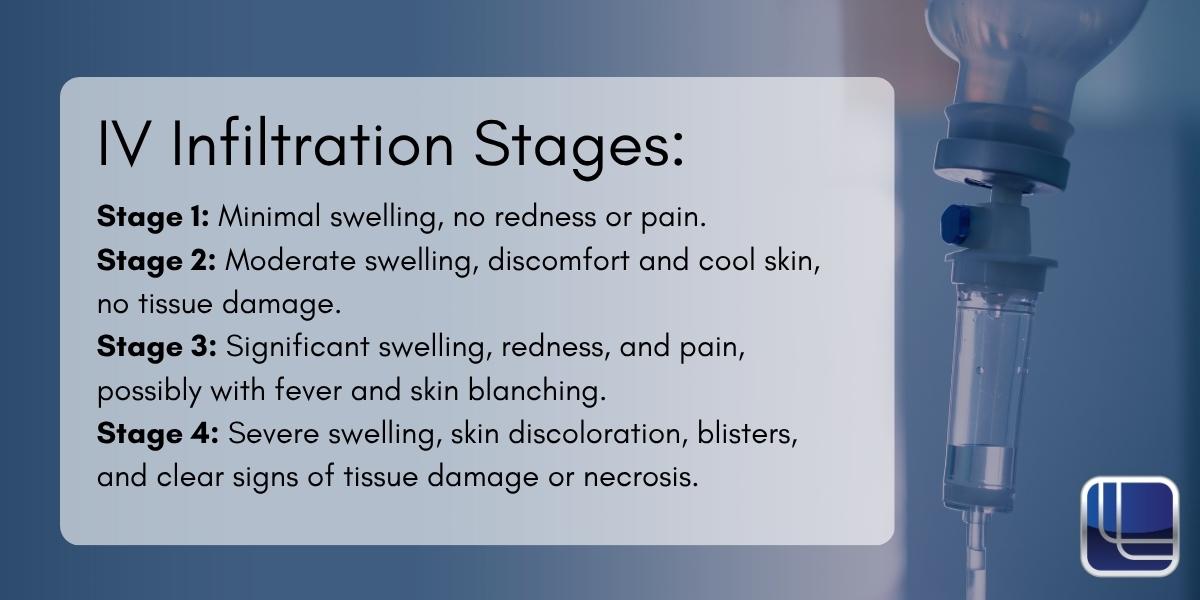
IV Infiltration Stages
- Stage 1: Minimal swelling around the IV site skin, with no redness or pain.
- Stage 2: Moderate swelling with discomfort and coolness at the IV site, but no tissue damage.
- Stage 3: Significant swelling, redness, and pain, potentially accompanied by IV site fever and skin blanching.
- Stage 4: Severe swelling, skin discoloration, IV site blisters, and signs of tissue damage, such as ulceration or necrosis.
What Happens If the IV Is Not in a Vein?
If the IV is not properly placed in a vein, the IV fluid can leak into the surrounding tissue instead of being delivered into the bloodstream. This misplacement can cause swelling, pain, and potential damage to the tissue around the IV site. If left untreated, it may lead to complications such as skin breakdown, infection, or even tissue necrosis, depending on the type of fluid being administered.
What to Do If IV Infiltration Happens
If patients suspect IV infiltration, they should notify their healthcare provider immediately to prevent further complications. The first step is often stopping the infusion to prevent additional fluid from leaking into the soft tissue. Elevating the affected limb can help reduce swelling, while applying warm or cold compresses may relieve discomfort, depending on the type of fluid that leaked.
For severe cases or when IV infiltration causes persistent pain, blisters, or skin damage, patients should seek medical attention to assess the extent of the injury. If they believe the infiltration occurred due to negligence or improper care, they should seek legal advice. Consulting a Michigan medical malpractice attorney at Lipton Law can help them understand their rights and explore options for filing a claim.

What is the IV Infiltration Treatment?
Treatment for IV infiltration focuses on stopping the infusion, relieving symptoms, and preventing complications. Early intervention by a healthcare provider can help minimize damage to the surrounding tissue. Depending on the severity of the infiltration, treatments may range from simple first-aid measures to more intensive medical care, such as emergency surgery.
Treatments for IV infiltration can include:
- Stopping the infusion: Immediately ceasing IV fluid delivery to prevent further leakage.
- Applying a warm or cold compress: A warm compress can help absorb fluids, while a cold compress may reduce swelling and discomfort.
- Elevating the affected limb: This can decrease swelling and promote fluid reabsorption.
- Administering medications: In some cases, the healthcare provider may inject medications to counteract the effects of leaked fluids.
- Emergency surgery: Severe cases, such as tissue necrosis, may require surgical intervention to remove damaged tissue and prevent further harm.
- Close monitoring: Regular assessment of the IV site to check for complications and ensure proper healing.
Potential Complications from IV Infiltration
IV infiltration can lead to a range of complications, from mild discomfort to severe complications requiring urgent medical attention. When untreated or involving harmful fluids, infiltration can result in severe tissue damage, impairing blood flow and causing long-term issues.
Some potential complications from IV infiltration include the following:
Severe tissue damage:
Prolonged exposure to leaked fluids can harm the skin and surrounding tissue.
Tissue necrosis:
Infiltration of harmful substances may lead to the death of affected tissue.
Compartment syndrome:
Increased pressure in the tissue can restrict blood flow and cause internal damage.
Internal bleeding:
If the infiltration damages blood vessels, it can lead to localized internal bleeding.
Infection:
Leakage into the tissue can increase the risk of infection at the IV site.
Impaired blood flow:
Swelling and fluid accumulation can compress blood vessels, reducing circulation in the area.
Scarring and long-term damage:
Severe cases may leave lasting scars or impair the functionality of the affected area.
Is IV Infiltration Considered Medical Malpractice?
IV infiltration can be considered medical malpractice when it results from a healthcare provider’s negligence or failure to follow proper standards of care. Examples include incorrect placement of the IV at the IV insertion site, failure to secure the catheter properly, or inadequate monitoring of the infusion. When a provider neglects to detect early signs of infiltration, such as swelling or fluid leaks, this oversight can lead to preventable complications and patient harm.
Additionally, medical malpractice may occur if the healthcare provider uses faulty equipment, administers inappropriate fluids, or fails to address known risk factors like fragile veins. In such cases, the provider’s actions—or lack thereof—may directly contribute to the patient’s injury, making them liable for damages. Victims of IV infiltration due to negligence should consult with a Southfield, Michigan medical malpractice attorney at Lipton Law to explore their legal options.

Can I Sue for IV Complications in Michigan?
Yes, you may be able to sue for IV complications in Michigan if they result from medical malpractice. If a healthcare provider’s negligence, such as improper IV placement, failure to monitor the IV site, or delayed treatment of soft tissue damage, causes harm, you could have grounds for a lawsuit. Victims of IV complications can hold negligent providers accountable and seek compensation for the physical, emotional, and financial harm they’ve experienced.
Potential damages you can recover in a lawsuit include:
- Medical expenses: Costs for treating complications, including hospital stays, medications, and follow-up care.
- Plastic surgery consultation: Expenses for addressing cosmetic or reconstructive issues caused by tissue damage.
- Pain and suffering: Compensation for physical pain and emotional distress caused by the injury.
- Lost wages: Recovery for income lost due to time away from work during treatment and recovery.
- Future medical costs: Coverage for ongoing care or surgeries needed to address long-term complications.
- Permanent disability: Compensation for reduced quality of life or loss of function caused by severe tissue damage.
How Can Lipton Law Help Victims of IV Infiltration?
Lipton Law is dedicated to helping victims of IV infiltration by holding negligent healthcare providers accountable for their actions. Our experienced medical malpractice attorneys thoroughly investigate cases to determine whether improper IV placement, insufficient monitoring, or other forms of negligence contributed to your injury. We work closely with medical experts to establish how the healthcare provider’s actions deviated from the standard of care and impacted patient outcomes.
By partnering with Lipton Law, you gain compassionate legal support and skilled representation focused on securing the compensation you deserve. Whether it’s covering medical expenses, lost wages, or damages for pain and suffering, we fight to help you rebuild your life after an injury. Our team understands the challenges victims face, and we are committed to achieving justice and improving patient outcomes through our advocacy.
IV Infiltration FAQs
What to Do If IV Site Is Swollen?
If the IV site is swollen, it may be a sign of peripheral IV infiltrations, which occur when fluid leaks into the surrounding tissue instead of entering the vein. Start by notifying your healthcare provider immediately to prevent further complications. They may stop the infusion, remove the IV, and assess the IV site skin for damage.
Applying a cold or warm compress and elevating the affected limb can help reduce IV site swelling and discomfort. It’s important to monitor the area for worsening symptoms, such as increasing redness or pain, and seek prompt medical attention if the swelling does not improve.
Can Air Bubbles in an IV Kill You?
Air bubbles in an IV catheter are typically small and harmless during IV therapy, as the body can absorb small amounts of air without significant risk. However, a large air bubble introduced into the bloodstream through an IV site can cause an air embolism, which can be life-threatening if it blocks blood flow to vital organs like the heart or lungs. Proper monitoring and technique during IV therapy are essential to prevent this rare but serious complication.
How Much Air Bubbles in an IV Is Dangerous?
During IV therapy, small air bubbles are usually harmless and absorbed by the body. However, larger amounts of air—typically 50 milliliters or more—can pose a serious risk by causing an air embolism. This occurs when the air travels through the bloodstream and obstructs blood flow to critical areas, potentially leading to severe complications or even death if not promptly treated.
Contact a Michigan IV Infiltration Lawyer at Lipton Law Today
If you or a loved one has suffered injuries from IV infiltration due to a healthcare provider’s negligence, don’t wait to seek the legal help you deserve. At Lipton Law, we understand how devastating these injuries can be and how they impact your life and well-being. Our dedicated team is committed to holding negligent providers accountable and fighting for patient safety.
Whether it’s improper placement of the IV site, failure to monitor your condition, or another form of malpractice, we are here to guide you through the legal process. Contact Lipton Law today at 248-557-1688 or online to schedule a free consultation and take the first step toward obtaining the justice and compensation you deserve. Let us help you protect your rights while you focus on your recovery.
Types of Medical Malpractice
Practice Areas