Elderly Choking Law Firm in Southfield, Michigan
Choking incidents in nursing homes and assisted living facilities are a serious and preventable issue that can lead to severe injuries or even tragic loss of life. When nursing home staff members fail to provide adequate supervision or proper care, elderly residents with swallowing difficulties or medical conditions are placed at an increased risk of choking.
At Lipton Law, we understand the devastating impact nursing home choking accidents can have on families and work tirelessly to hold negligent facilities accountable. If your loved one has suffered injuries from a choking incident in a Michigan nursing home, call (248) 557-1688 or contact us online to schedule a free consultation with a Southfield elderly choking lawyer today.

What Is a Common Cause of Choking in the Elderly?
A common cause of choking in the elderly is dysphagia, a medical condition that makes swallowing difficult or painful. This condition often affects elderly nursing home residents due to weakened throat muscles and reduced saliva production, which is common with aging.
Dysphagia increases the risk of choking during meals, especially if the resident is not sitting upright or is given food that is difficult to swallow. Nursing homes and care facilities must provide proper care, including soft or pureed diets and adequate supervision, to help prevent choking accidents.
Unfortunately, when nursing home staff members fail to properly monitor at-risk residents or offer a proper diet, avoidable choking accidents can occur.
Choking on Food and Medications
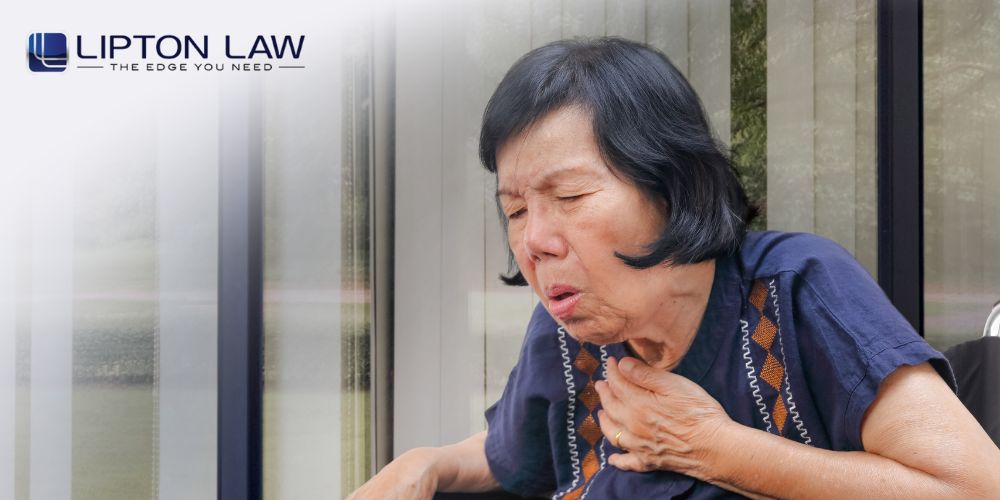
Choking on food and medications is a leading cause of choking incidents in nursing homes and assisted living facilities. Elderly residents are at an increased risk when not provided with a proper diet or monitored during meals. Certain foods, such as meats and bread, can act as choking hazards, while improperly crushed or uncrushed medications can also lead to a choking accident.
Nursing facilities are responsible for monitoring residents who have trouble swallowing during mealtimes and when administering medication. When the nursing home fails to offer the necessary supervision and care, residents can suffer severe injuries or even choking deaths.
Families who suspect nursing home neglect in an elderly choking accident should seek guidance from one of our experienced Southfield nursing home choking lawyers from Lipton Law. Contact our law firm today to learn more about pursuing a nursing home choking case.
What Factors Increase the Risk of Choking in Nursing Homes?
Several factors increase the risk of choking for residents in nursing homes and assisted living facilities. Medical conditions such as Alzheimer’s disease, Parkinson’s disease, and gastroesophageal reflux disease can cause swallowing difficulties, leaving nursing home residents at an increased risk of a choking accident.
Poorly managed medical conditions, such as dry mouth or dental problems, can also contribute to difficulty swallowing. Additionally, when nursing home staff members fail to provide adequate supervision, serve a proper diet, or monitor elderly residents while eating, the likelihood of choking accidents increases. Neglectful practices, such as leaving residents unattended during meals or failing to identify choking hazards, put vulnerable residents at risk of severe injuries or even choking deaths.
Common Choking Injuries Suffered by Nursing Home Residents

When a nursing home choking incident occurs, it can lead to serious and sometimes permanent injuries for nursing home residents. Common choking accident injuries include damage to the throat muscles or airway, aspiration pneumonia from inhaling food or liquid, and soft tissue injuries caused by attempts to dislodge the blockage.
In more severe nursing home choking cases, prolonged oxygen deprivation can result in respiratory distress or even cardiac arrest. Injuries caused by choking incidents not only cause physical harm to vulnerable residents but can also lead to long-term health complications, requiring extensive medical care and recovery.
Can Choking Cause Brain Damage for a Nursing Home Resident?
Yes, choking can cause permanent brain damage for an elderly nursing home resident if the brain is deprived of oxygen for too long. When a resident experiences a blocked airway during a choking incident, the lack of oxygen can result in hypoxia or anoxia, which damages brain cells. If oxygen deprivation continues for more than a few minutes, the damage may become irreversible, leading to cognitive impairments, memory loss, or motor function issues.
Elderly residents are particularly vulnerable to these outcomes due to pre-existing conditions like difficulty swallowing or weakened respiratory systems. Nursing home administrators must provide proper supervision and take steps to prevent choking incidents to reduce the risk of such severe and life-altering consequences.
How Many People Die from Choking in Nursing Homes Annually?
While exact statistics on choking deaths, specifically in nursing homes, are not readily available, data from the National Safety Council states that there were over 5,500 choking deaths in 2022 throughout the United States. Of these choking-related deaths, the risk significantly increased for individuals over 71 years of age.
Many nursing home residents fall into this high-risk age group, especially those with swallowing difficulties or medical conditions that affect their ability to eat or drink safely. Nursing home choking deaths are often preventable with proper care, supervision, and attention to dietary needs.
If your loved one has been harmed in a nursing home choking accident or suffered a preventable choking death due to neglect, our dedicated elderly choking attorneys at Lipton Law are here to help. Contact us today for a free consultation to discuss your case and learn how we can fight for justice and accountability.
What Are the Responsibilities of Nursing Homes and Care Facilities?

Nursing homes and care facilities have a legal and ethical duty to provide residents with a safe environment and adequate care. This includes ensuring proper supervision during meals, offering appropriate diets tailored to residents’ needs, and training staff to recognize and respond to choking emergencies.
Facilities must identify residents at risk of choking, such as those with difficulty swallowing or medical conditions like Alzheimer’s disease, and implement measures to prevent choking accidents. Additionally, nursing homes must quickly address choking hazards, provide medical care in emergencies, and report incidents to the proper authorities.
When nursing homes fail to fulfill these responsibilities, they place vulnerable residents at risk of being injured in a choking accident.
Why Is Choking Considered an Emergency Situation?
A nursing home choking accident is considered an emergency because it can quickly lead to life-threatening complications, such as oxygen deprivation, brain damage, or even a choking death. When a person’s airway is partially or completely blocked, the brain begins to lose oxygen within minutes, increasing the risk of permanent damage.
For elderly nursing home residents, the effects of choking can escalate even faster. Immediate action, such as clearing the airway or performing life-saving measures, is critical to prevent choking or fatalities.
What to Do After a Choking Incident in a Michigan Nursing Home

When a choking incident occurs in a Michigan nursing home, the aftermath can be overwhelming for families. However, taking legal action is crucial to protect your loved one’s health and well-being, as well as to hold the nursing home accountable if neglect plays a role.
Understanding the necessary steps following an accident can make all the difference in ensuring justice and preventing future avoidable choking incidents.
Seek Medical Attention for the Victim
The first and most urgent step after a choking incident is to seek immediate medical care for the victim. Choking can cause serious injuries, including airway damage, aspiration pneumonia, or even permanent brain damage due to oxygen deprivation.
A thorough medical evaluation is critical to assessing the extent of the injuries and ensuring the elderly resident receives proper care. Medical records from this evaluation can also serve as vital documentation if neglect or improper supervision by nursing home staff members contributed to the incident.
Report the Incident to the Facility and the Relevant Authorities
After ensuring the resident’s safety, report the choking incident to the nursing home administrators and, if necessary, to state regulatory agencies. Nursing facilities are required to document such incidents and investigate their causes.
Reporting the elderly choking incident also helps establish accountability, especially if the choking was due to nursing home neglect or a failure to follow care protocols. Authorities can investigate whether the facility provided proper supervision or adequately addressed the needs of at-risk residents.
Gather Evidence to Support a Claim
Gathering evidence related to the incident is essential to building a strong nursing home accident case. This includes obtaining medical records, incident reports from the care facility, and statements from witnesses or other nursing home residents.
Photographs of unsafe conditions or choking hazards and documentation of the resident’s care plan can also help establish negligence. Detailed evidence can demonstrate how the nursing home staff members may have failed to monitor or assist the resident properly, leading to the choking event.
Contact a Nursing Home Choking Incident Lawyer
Consulting an experienced nursing home choking lawyer is a critical first step in pursuing justice for your loved one. A skilled attorney can evaluate the circumstances of the choking accident, determine if negligence occurred, and guide you through filing a nursing home abuse claim or wrongful death claim if necessary.
With legal representation, families can seek compensation for medical expenses, pain and suffering, and other damages caused by the facility’s failure to provide proper care.
File a Nursing Home Abuse Claim
Filing a nursing home abuse claim in Michigan is an important step in holding a facility accountable for a preventable choking accident involving a loved one. When nursing homes fail to provide adequate supervision, a proper diet, or proper training for nursing home staff members, it can lead to severe injuries or even choking deaths.
A nursing home choking case often involves proving that neglect, unsafe conditions, or inadequate care directly contributed to the choking event. By filing a claim, families can seek compensation for medical expenses, pain and suffering, and other damages while shining a light on negligent practices. This process also encourages care facilities to improve their standards, helping to protect other vulnerable residents.
File a Wrongful Death Claim
Filing a wrongful death claim in Michigan may be necessary when a loved one suffers a preventable choking death in a nursing home. These claims seek justice for families by holding the facility accountable for failing to provide proper care or supervision.
Nursing home abuse or neglect, such as failing to monitor residents during meals, ignoring dietary restrictions, or not addressing known choking hazards, often plays a significant role in these tragedies.
A wrongful death claim following an avoidable choking death can help families recover compensation for medical expenses, funeral costs, and the emotional toll of losing a loved one.
What Damages Can You Recover in a Nursing Home Choking Accident Claim?
Depending on the circumstances of the nursing home choking accident claim, families may recover damages. Compensation can cover medical expenses, including emergency care, hospital stays, and ongoing treatment for injuries caused by the choking incident. Families may also seek damages for pain and suffering experienced by nursing home residents and emotional distress endured by loved ones.
In cases involving a preventable choking death, wrongful death damages may include funeral and burial expenses, loss of companionship, and other related losses. Additionally, if nursing home abuse or neglect contributed to the choking incident, punitive damages may be awarded to hold the facility accountable for its failures and deter future negligence.
Contact a Michigan Nursing Home Choking Lawyer at Lipton Law Today