Spinal Cord Compression Injury Lawyer
Home » Medical Malpractice Lawyers » Spinal Cord Compression
Helping Victims of Delayed Diagnosis and Medical Negligence Facing Spinal Cord Compression Injuries Across Michigan
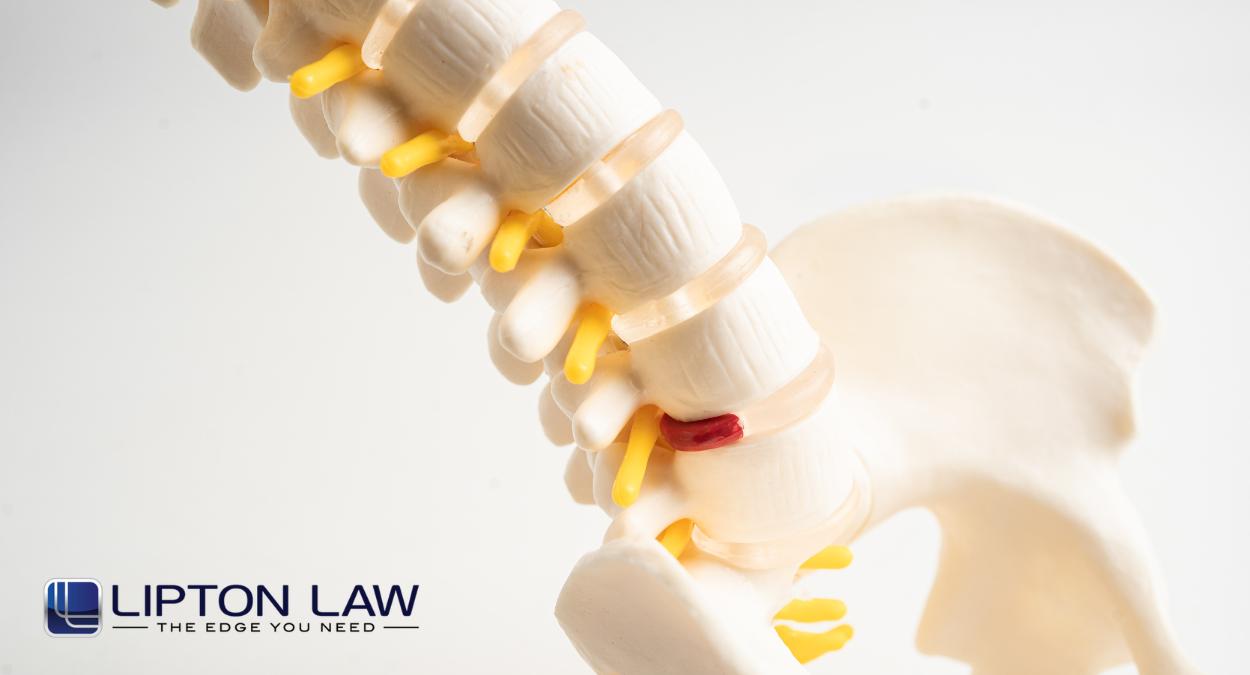
A spinal cord compression injury can cause permanent neurological damage, paralysis, and a lifetime of medical challenges. In such cases, a Michigan catastrophic injury attorney with Lipton Law provides victims the support they need to pursue compensation.
When medical negligence, delayed diagnosis, or surgical errors cause or worsen spinal cord compression, don’t hesitate to give us a call. Our Michigan spinal cord injury lawyers will fight for the full financial recovery you deserve. Contact our firm today at (248) 557-1688 or online to speak with an experienced spinal cord compression injury lawyer about your case.
Serious Spinal Cord Compression Injuries Can Change Your Life
Excessive pressure on your spine can lead to health issues that may permanently impact your quality of life. When doctors fail to diagnose spinal cord compression promptly or make surgical errors that worsen the condition, victims may have grounds for a medical malpractice claim in MI.
Lipton Law has experience representing injury victims across Michigan in complex spinal cord compression and medical negligence cases. Our legal team fights to hold negligent healthcare providers accountable and recover maximum compensation for injured clients.
What is a Compression Spinal Cord Injury?
The spinal cord travels down your back and carries signals to and from your brain. Any force that narrows the spinal canal can compress nerve roots or other spinal nerves and cause serious harm. Compression disrupts normal neurological function and damages the surrounding tissues. Common causes include trauma to the spine, spinal tumors, bone spurs, infections, fractured vertebrae, and medical negligence during surgical procedures.

How Serious is Spinal Cord Compression?
Spinal cord compression is an extremely serious medical condition that can worsen rapidly without prompt treatment. Pressure on the spinal cord interrupts the blood supply to critical nerve tissue. It can also disrupt the neurologic function that controls movement, sensation, and bladder control. A Michigan catastrophic injury lawyer at Lipton Law can help you recover damages associated with this serious injury.
Is Spinal Cord Compression an Emergency?
Yes, this condition is a medical emergency. If you develop spinal cord compression, you must seek immediate diagnosis and treatment to prevent permanent neurological harm and nerve damage.
Why is Spinal Cord Compression an Emergency?
Acute spinal cord compression cuts off the blood supply to critical nerve tissue and can cause permanent neurological damage within a very short time. The spinal cord has a limited capacity to heal once damaged, which means every hour of delay increases the risk of paralysis and loss of function.
Sometimes spinal pressure is a symptom of another medical issue that requires immediate attention. For example, metastatic spinal cord compression and malignant spinal cord compression are both cancer-related complications. Conditions like cauda equina syndrome demand emergency decompression surgery to preserve bowel or bladder control and lower extremity function.
Spinal Cord Compression Symptoms
Symptoms vary depending on the location and severity of the compression within the spinal column. Common symptoms of spinal cord compression include the following:
- Severe back pain
- Numbness in the hands, arms, inner thighs, or groin area
- Weakness in the arm and leg muscles
- Foot drop, or weakness in one foot that causes you to limp
- Loss of sensation in the feet
- Trouble maintaining balance or difficulty walking
- Inability to control bladder or bowel movements
Lipton Law’s MI spinal injury lawyers carefully consider all of these issues and factor them into the compensation we seek on your behalf.
What Does Spinal Cord Compression Feel Like?
Victims of spinal cord compression often describe shooting or burning pain and intense pressure that radiates from the spine into the limbs. Tingling, numbness, and weakness in the arms, hands, or legs are also common sensations that indicate the spinal nerves are under pressure. Some individuals experience progressive neurological symptoms that develop gradually over weeks or months. Sudden, acute symptoms are common following trauma or a surgical complication.
Types of Spinal Cord Compression
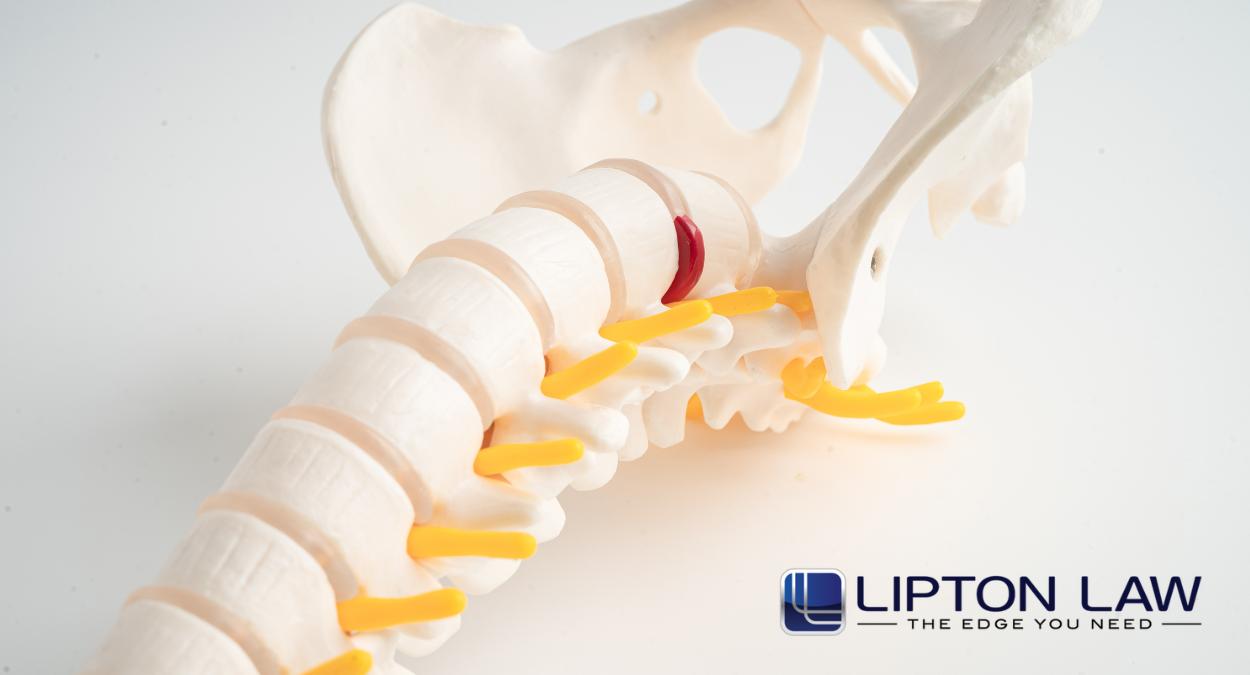
Spinal cord compression falls into two broad types. Acute spinal cord compression develops suddenly, usually due to trauma. Progressive compression worsens over time due to gradual wear or abnormal bone growth.
The location of spinal cord compression determines which parts of the body the injury affects. Cervical spine compression affects the neck and can impair arm and hand function. Compression in the thoracic spine impacts the mid-back and chest region. Lumbar spine compression affects the lower back, legs, and bladder function.
Does Spinal Cord Compression Require Surgery?
Depending on the severity of your condition, you may try conservative care to reduce pain and other symptoms of spinal compression. For example, working with an arthritis specialist or physical therapist may help keep your spine flexible. Maintaining a healthy weight can also reduce pressure on your spine. However, when alternative treatments don’t work, you may need surgical intervention to prevent spinal cord compression from worsening.
Emergency decompression procedures aim to relieve pressure, restore blood supply to the spinal cord, and preserve neurologic function before permanent damage sets in. This process often involves removing bone spurs, fractured vertebrae, injured discs, or other soft tissues to relieve pain and restore mobility. Doctors may prescribe nonsteroidal anti-inflammatory drugs to reduce swelling before or after surgical intervention. Surgical risks increase significantly when medical providers delay intervention, which is why prompt diagnosis and referral to bone surgeons or nerve specialists is critical.
What Causes Spinal Compression?
A wide range of medical conditions and traumatic events can lead to spinal compression. Backbones called vertebrae can fracture, shift, or degenerate over time due to rheumatoid arthritis, abnormal spine alignment, or gradual wear. Spinal tumors associated with conditions like lung cancer, prostate cancer, and multiple myeloma can press on the spinal cord as they grow. Compression can also occur due to physical trauma. Other causes include bone spurs, spinal instability, cervical spondylotic myelopathy, and infections that put pressure on surrounding soft tissues.
Medical Errors That Can Cause Compression Spinal Cord Injury
Another potential cause of spinal cord compression is medical negligence. For example, errors made during surgical procedures or post-operative care can directly cause or significantly worsen spinal cord compression injuries. Spine surgeons may make anesthesia errors, operate on the wrong location, or even leave surgical tools inside a patient. A Michigan surgical error lawsuit attorney at Lipton Law handles such cases.
Individual providers or entire practices can bear responsibility for failure to properly monitor patients. This includes monitoring following treatment and general monitoring following traumatic injury. Our hospital malpractice attorneys in MI will determine whether negligence occurred due to an individual’s fault or the poor policies of the facility.
Failure to Diagnose Spinal Cord Compression
Medical professionals use a variety of tools, including magnetic resonance imaging, computed tomography scans, electrical tests, and lumbar puncture, to diagnose spinal cord compression. Failure to order timely testing or specialist referrals can lead to a dangerous delay in care. Alternatively, doctors may misdiagnose neurological symptoms as something less serious, leading to inaccurate treatment. A Michigan failure to diagnose lawyer at Lipton Law can help you determine if a diagnostic issue contributed to the harm you suffered.
How Long Can You Live With Spinal Cord Compression?
The long-term prognosis for spinal cord compression depends heavily on the severity and cause of the compression. Patients who receive prompt surgical treatment and rehabilitation often recover significant neurological function and maintain a good quality of life. However, delayed care or lack of care can lead to permanent paralysis, chronic pain, and a significantly reduced life expectancy. Early medical intervention is the single most important factor in improving outcomes for victims of spinal cord compression.
Spinal Cord Compression Recovery After a Serious Injury
Rehabilitation from a serious spinal cord compression injury is a lengthy process that requires intensive medical care and rehabilitation. Most victims require physical therapy, occupational therapy, and ongoing monitoring from physical therapists and nerve specialists to rebuild strength and mobility.
Recovery timelines vary greatly depending on the location and severity of the injury. Some victims must learn how to live with permanent mobility limitations and chronic pain. Medical negligence that delays diagnosis or treatment can extend recovery significantly and reduce the likelihood of a full return to function.
Long-Term Effects of Untreated Spinal Cord Compression
Untreated spinal cord compression can cause permanent disability, loss of independence, and profound changes to every aspect of a victim’s life. Victims may lose the ability to walk, control bladder and bowel function, or perform basic daily activities without assistance.
The emotional, physical, and financial consequences of permanent spinal cord damage place an enormous burden on victims and their families. Many families face extreme medical costs, lost income, and the need for long-term home care or assistive devices as a direct result of preventable medical negligence.
Compensation Available in Spinal Cord Compression Injury Claims
Victims of spinal cord compression caused by medical negligence may pursue a wide range of damages through a personal injury or medical malpractice claim. Compensation can cover past and future medical expenses. This includes surgical costs, physical therapy, radiation therapy, and any ongoing treatment required for the victim’s condition.
A Michigan wrongful death attorney at Lipton Law also represents families of victims who died as a result of untreated or negligently treated spinal cord compression. Victims and families also have the right to seek damages for severe pain and suffering, emotional distress, lost income, and long-term disability.
How a Michigan Spinal Cord Compression Injury Lawyer Can Help
Acting quickly after a spinal cord compression diagnosis or surgical complication is essential to protecting your legal rights. A Michigan doctor malpractice lawyer at Lipton Law investigates your circumstances to identify where negligence occurred and who bears responsibility. We handle every aspect of your case so you can focus on recovery while we fight for the compensation you deserve.
Proving Medical Negligence in Spinal Cord Compression Cases
Proving medical negligence requires a thorough analysis of the standard of care and how treating providers deviated from it. Our Michigan medical malpractice lawyers work with qualified medical experts who can testify about what a competent provider should have done differently.
We gather diagnostic imaging tests, medical records, surgical notes, and physical examination findings to build a complete picture of the negligence that occurred. Strong evidentiary support and credible expert testimony are the foundation of every successful spinal cord compression malpractice case.
Built on Years of Involvement Throughout Michigan
The reputation Lipton Law holds today wasn’t built quickly. It came from time spent in courtrooms, participation in professional organizations, and relationships cultivated with attorneys throughout the state. Marc Lipton and Ron Weiner have each held the presidency of the Michigan Association for Justice (MAJ), a top organization representing plaintiffs in Michigan. Steffani Chocron now serves as its Secretary, and Sean McNally sits on the Executive Board.
Ron Weiner’s reputation isn’t limited to attorneys who represent injured clients, either. The Michigan Defense Trial Counsel gave him its 2024 Respected Advocate Award — recognition that stands out precisely because it comes from the defense side, the attorneys who regularly oppose plaintiff counsel in civil cases.
This combination of professional leadership and respect from opposing counsel reflects what Lipton Law aims for in every personal injury and medical negligence case. Our attorneys stay active in the organizations shaping trial practice across Michigan, all while fighting for families whose lives have been altered by serious injury.

Call Lipton Law to Speak With an Experienced Spinal Cord Compression Injury Lawyer in Michigan Today
If you or a loved one suffered a spinal cord compression injury due to medical negligence or delayed diagnosis, do not wait to seek legal guidance. The sooner you contact an experienced spinal cord compression injury lawyer in MI, the better your chances of building a strong claim. Lipton Law offers free consultations for victims and families throughout Michigan who need skilled legal representation in complex medical malpractice cases.
Call our firm today at (248) 557-1688 or online to discuss your case and take the first step toward the compensation you deserve.
Types of Medical Malpractice
Practice Areas