
Taco Bell Lettuce – Attorney for Cyclospora Outbreak in Michigan
Home » Taco Bell Lettuce – Attorney for Cyclospora Outbreak in Michigan
Michigan Personal Injury Law Firm Helping Victims Affected By the Cyclospora Parasite
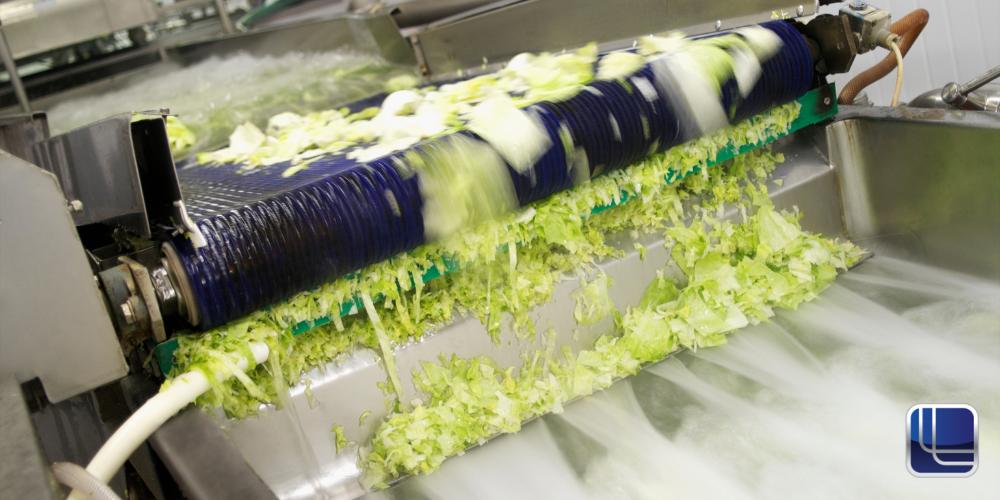
Michigan is currently at the center of one of the largest cyclosporiasis outbreaks the country has seen in years, with state health officials linking thousands of illnesses to food served at Taco Bell locations across the state. Public health officials and the CDC have confirmed that contaminated food (namely shredded iceberg lettuce) distributed to Taco Bell restaurants in Michigan, Indiana, Kentucky, Ohio, and West Virginia is the likely source of a fast-growing cluster of Cyclospora infection cases, with Michigan alone accounting for the largest share of confirmed and suspected illnesses nationwide.
If you or a family member became seriously ill after eating at a Taco Bell in Michigan and were later diagnosed with a Cyclospora infection, you may have legal options available to you. Victims who suffered severe diarrhea and required ER treatment or hospitalization may be entitled to recover compensation from Taco Bell and their lettuce distributor. Compensation may include pain and suffering, medical bills, and lost wages.
Lipton Law has extensive experience representing victims of foodborne illness outbreaks and other serious personal injury claims throughout Michigan. Our legal team understands how overwhelming it can be to deal with a sudden, severe illness while also facing mounting medical bills and lost income, and we’re prepared to guide you through every step of a potential Cyclospora lawsuit. Contact our office online or by phone at (248) 557-1688 today for a free, no-obligation consultation with a Michigan Cyclospora attorney.
What is Cyclospora?
Cyclospora cayetanensis is a microscopic, one-celled parasite that causes an intestinal illness known as cyclosporiasis. People become infected after eating food or drinking water contaminated with the parasite, most commonly through fresh produce that hasn’t been properly washed, handled, or sourced. Once ingested, the parasite settles in the small intestine and begins causing the gastrointestinal symptoms associated with a Cyclospora infection.
Symptoms typically don’t appear right away. Most people who are exposed won’t notice symptoms until about one week after eating contaminated food, though the incubation period can stretch to two weeks in some cases. Because the delay between exposure and illness can be so long, many victims don’t immediately connect their symptoms back to a specific meal, which is why prompt diagnosis through a specific test ordered by a healthcare provider is so important, both for proper treatment and for building a record connecting the illness to its source.

Understanding the Cyclospora Outbreak in Michigan
Michigan has been hit harder than any other state in the current outbreak. State and federal health officials, including the CDC and FDA, announced they have been investigating claims for weeks after a sharp, concentrated spike in Cyclospora cases pointed toward a shared source. The Michigan Department of Health and Human Services has interviewed more than a thousand affected residents as part of the investigation and has reported thousands of confirmed and suspected cyclosporiasis cases tied to the outbreak, with dozens of Michigan residents hospitalized.
The FDA’s traceback investigation has since identified a supplier that provided shredded iceberg lettuce to the affected Taco Bell locations. While the health department has been careful to note that not every illness may trace back to the exact same source, officials have said the timing and concentration of cases strongly suggest that most of them are connected to the same outbreak, making this the largest cyclospora outbreak on record in the United States.
Cyclosporiasis Statistics Across the U.S. and Michigan
Since May 1, 2026, the Centers for Disease Control and Prevention has documented 1,645 confirmed domestically acquired cases of cyclosporiasis across the United States. Of those patients, 141 required hospitalization. The CDC is also reviewing more than 5,100 additional illnesses to determine whether they qualify as Cyclospora infections.
Michigan health officials have reported 4,312 cases, including 102 hospitalizations, as of July 16, making the state one of the most heavily affected by the outbreak in the nation.
How is Cyclospora Spread?
Cyclospora is generally spread when contaminated produce is grown, rinsed, or processed using water that has come into contact with human feces carrying the parasite. Because a single contaminated batch of produce can be distributed to grocery stores and restaurant chains across multiple states, one point of contamination in the supply chain can expose an enormous number of consumers before the source is ever identified. That’s part of why foodborne illness outbreaks like this one can escalate so quickly and affect thousands of people who never set foot in the same restaurant on the same day.
Unlike illnesses such as E. coli or norovirus, Cyclospora is not easily passed from person to person. Health officials have noted that the parasite requires time outside the body to become infectious again after passing in a bowel movement, which makes direct transmission between people unlikely. This is one of the reasons investigators focus so heavily on tracing the food supply chain itself rather than looking at restaurant sanitation or interpersonal contact.

What are the Common Food Sources of Cyclospora?
Certain foods have repeatedly been linked to Cyclospora outbreaks over the years, largely because they are eaten raw and are difficult to fully decontaminate, even when consumers rinse produce at home. These food sources include:
- Fresh Produce: Raw fruits and vegetables that aren't cooked before eating carry the highest risk, since cooking is one of the few reliable ways to kill the parasite.
- Lettuce and Salad Mixes: Bagged salads and shredded lettuce, including the contaminated lettuce now linked to Taco Bell, have been common culprits in past outbreaks.
- Cilantro and Herbs: Leafy greens and fresh herbs, particularly imported cilantro, have been tied to several past cyclosporiasis outbreaks.
- Berries and Other Raw Fruits: Raspberries and other soft fruits have historically been associated with Cyclospora cases.
- Imported Produce Used in Restaurant Meals: Restaurants that rely on imported fresh fruits and vegetables, including snow peas and leafy greens, are particularly vulnerable when a supplier's crop becomes contaminated.
How the Taco Bell Outbreak May Have Exposed Michigan Customers to Cyclospora Cases
Investigators have zeroed in on shredded lettuce served at Taco Bell locations throughout Michigan as the likely link connecting thousands of illnesses. When contaminated produce like this makes its way into a restaurant’s supply chain, cross-contamination can also occur at the distribution or preparation level, potentially affecting other menu items or locations that received product from the same supplier.
Identifying the exact source during an active outbreak investigation is critical, both for stopping further exposure and for establishing the kind of sufficient evidence victims will eventually need if they choose to pursue legal action. Public health officials rely on interviews, purchase records, and laboratory testing to build this picture, and much of that information can become important evidence in a future Cyclospora lawsuit.

Cyclospora Symptoms
A Cyclospora infection can cause a wide range of gastrointestinal and other flu-like symptoms, though the severity can vary significantly from person to person. Some of the most common symptoms reported include the following:
Severe Diarrhea
The hallmark symptom of a Cyclospora infection is frequent, watery diarrhea that can last for weeks if untreated. Many victims describe it as sudden and disruptive, often interfering significantly with daily life and work.
Nausea and Vomiting
Nausea and vomiting frequently accompany a Cyclospora infection, adding to the difficulty of staying properly hydrated and nourished while the body fights off the parasite.
Abdominal Cramps
Persistent abdominal cramping and bloating are common as the parasite irritates the lining of the small intestine.
Fatigue and Weight Loss
Many patients experience significant fatigue and unintended weight loss, sometimes lingering well after the gastrointestinal symptoms begin to improve.
Loss of Appetite and Dehydration
A reduced appetite combined with ongoing diarrhea can quickly lead to severe dehydration, which is one of the more dangerous complications of cyclosporiasis and a common reason victims end up seeking emergency care.
When to Seek Medical Care
Anyone experiencing several days of watery diarrhea, especially when combined with a low-grade fever, cramping, or signs of dehydration, should contact a healthcare provider promptly. A doctor can order a stool test to confirm a Cyclospora infection and rule out other causes, such as E. coli or other bacterial illnesses that can present with similar symptoms.
Cyclospora Treatment and Recovery
Once a confirmed diagnosis is reached, treatment typically involves a course of prescription antibiotics along with supportive care focused on hydration and rest. Patients are generally advised to drink plenty of warm water and electrolyte solutions to combat fluid loss. Following medical advice closely and completing the full course of treatment gives most patients the best chance at a full recovery, though some victims report symptoms lingering for weeks even after treatment begins.

Will Cyclospora Go Away on Its Own?
Without medical treatment, Cyclospora symptoms can persist for anywhere from a few days to weeks or even months, with some patients experiencing a relapsing pattern of illness. Delaying medical care increases the risk of severe dehydration and other complications, particularly in young children, older adults, and people with weakened immune systems.
Because effective antibiotic treatment is available, public health officials strongly recommend seeking professional care rather than waiting for symptoms to resolve on their own.
Is Cyclospora Contagious?
Cyclospora is not considered easily contagious from person to person, but rather contracted when people eat food already contaminated with the parasite. Because the parasite needs time outside the human body, generally in soil or water, before it becomes capable of infecting someone else, it makes direct transmission between household members unlikely. That said, basic food safety precautions, including thorough handwashing and properly washing any produce before eating it, remain important for reducing the risk of additional exposure while an outbreak is under investigation.
Long-Term Effects of Cyclospora Infection
While most people recover fully, some victims experience lingering effects long after the acute infection has cleared. These can include ongoing gastrointestinal symptoms, nutritional deficiencies caused by weeks of poor absorption, and persistent fatigue that affects a person’s ability to work or manage daily responsibilities. Vulnerable individuals, including young children, pregnant women, older adults, and people with compromised immune systems, face an increased risk of more serious or prolonged complications.
Who May Be Responsible for a Cyclospora Outbreak?
Liability in a foodborne illness outbreak like this one can extend well beyond the restaurant where a victim ate. Depending on what the ongoing public health department and FDA investigation reveals, responsibility may rest with:
- Restaurants, including individual Taco Bell locations, if they failed to properly source, store, or handle food
- Food suppliers who provided contaminated lettuce or other produce to restaurant chains
- Produce distributors responsible for processing and shipping fresh ingredients
- Growers whose farming or irrigation practices may have allowed contamination to occur
- Other businesses in the food supply chain that played a role in getting contaminated food onto restaurant menus
Can I Sue for Cyclospora?
Michigan residents who developed a serious illness after eating contaminated food may be able to pursue a Cyclospora food poisoning lawsuit against the restaurant, supplier, or other responsible party. To support a claim, victims generally need medical records confirming a diagnosis, receipts or purchase records showing where and when they ate, and, where available, findings from the public health department’s outbreak investigation.
Because these cases often hinge on traceback evidence gathered by government investigators, speaking with a Cyclospora attorney early gives your legal team the best chance to preserve evidence and build a strong case before records disappear or memories fade.
Filing a Cyclospora Lawsuit After Food Poisoning
Foodborne illness claims are generally rooted in product liability and negligence law. To succeed, a claim typically needs to show that a restaurant, supplier, or grower failed to take reasonable steps to prevent contamination, and that this failure directly caused the victim’s illness and resulting damages (i.e., medical bills and lost income).
Identifying the responsible party can be complicated in outbreaks that span multiple states and involve several links in the supply chain, which is why the evidence gathered during an active outbreak investigation, including lab testing and distribution records, is often central to proving these cases.
Taco Bell Food Poisoning Lawsuit: What Michigan Victims Should Know
Because this outbreak has affected thousands of people across multiple Taco Bell locations in Michigan, victims may wonder whether their case will be handled individually or as part of a larger group of claims, such as in a class action lawsuit. While there is currently no class action lawsuit against Taco Bell, in many outbreak situations, victims can pursue individual lawsuits tailored to their specific medical history, damages, and circumstances, even when many other people were affected by the same source.
Each case deserves an independent evaluation, since the severity of illness, medical costs, and lost income can vary significantly from one victim to the next.
How Much is a Cyclospora Lawsuit Worth? Potential Cyclospora-Taco Bell Lawsuit Compensation
The estimated case value in a Cyclospora lawsuit depends heavily on the specifics of each victim’s illness and how it affected their life. In general, however, compensation may be available for:
- Medical expenses, including ER visits, hospitalization, testing, and prescription antibiotics
- Lost wages for time missed from work while recovering
- Pain and suffering associated with the physical and emotional toll of a severe illness
- Future medical care, particularly for victims dealing with long-term complications
- Other financial losses tied directly to the illness

How a Cyclospora Outbreak Lawsuit Lawyer Can Help
An experienced Cyclospora lawyer like those at Lipton Law can take on the heavy lifting of building your case while you focus on recovering. This typically includes investigating the source of contamination, collecting medical and public health evidence, working with medical experts to document the full extent of your injuries, and negotiating directly with insurers and corporate defendants. When a fair settlement isn’t offered, your legal team should also be prepared to take the case to trial.
Outbreak litigation involving multiple states, suppliers, and restaurant locations tends to produce complex cases, and having a legal team that understands how to navigate multistate investigations, coordinate with public health officials, and go up against large corporate defendants can make a meaningful difference in the outcome of your case.
Attorney Marc Lipton at our firm currently represents a Monroe County resident who filed a federal lawsuit after developing cyclosporiasis linked to the contaminated lettuce served at Taco Bell. Marc discussed the lawsuit in interviews with WTOL 11 and 13abc Action News, where he and his client addressed the outbreak, its harmful impact, and the firm’s efforts to seek compensation and accountability for those affected.
Why Hire a Michigan Cyclospora Lawyer From Lipton Law?
Lipton Law has a proven track record representing victims of serious injury and negligence throughout the state of Michigan, and our legal team brings that same commitment to Cyclospora litigation. We handle every case on a contingency-fee basis, meaning there are no upfront costs to get started, and our fee only comes out of compensation we recover on your behalf.
Our Michigan personal injury attorneys provide personalized representation for every client, keeping you informed throughout the process while we work to recover the maximum compensation available for your injuries.
Leadership, Not Just Membership, Within MAJ
Being a member of a professional organization is one thing. Being chosen to lead it is something else entirely. Founded in 1945, the Michigan Association for Justice now represents more than 1,300 lawyers and legal professionals dedicated to protecting Michigan residents’ access to the courts after harm from negligence or misconduct. Marc Lipton and Ron Weiner, both attorneys at our firm, have each served as MAJ’s president.
The current generation of Lipton Law attorneys is continuing that tradition. Steffani Chocron serves as MAJ Secretary for the 2026–2027 term, and Sean McNally holds a seat on the Executive Board. Kyle Kelly contributes to the Amicus Committee, and Darnell Smith has been selected for MAJ’s Leadership Academy, a program built to develop promising attorneys into Michigan’s future trial lawyer and community leaders. Lipton Law’s continued involvement gives the firm a real voice in an organization working every day on behalf of Michigan’s injury victims.

If You Or a Loved One Suffered Cyclospora Food Poisoning From Contaminated Food, Contact Our Experienced Michigan Cyclospora Law Firm Today
If you or someone you love became seriously ill after eating at Taco Bell in Michigan, don’t wait to seek legal guidance. It’s also important to hold onto medical bills, purchase records, and any documentation of your confirmed diagnosis, since this evidence can be critical to your case. Keep in mind that a legal deadline applies to these claims, so it’s important to act quickly and speak with an attorney as soon as possible.
Contact Lipton Law for a free consultation with a Michigan Cyclospora attorney. Our legal team is ready to review your case, answer your questions, and help you understand your options for pursuing the compensation you deserve. Simply call (248) 557-1688 or reach out online to get started today.
Types of Personal Injury Cases
Practice Areas
